
Pillar of Strength
In times of war and peace, JNF-USA is there to support the people and land of Israel
Yes, there’s still a war going on in Iran, with the United States and Israel united as allies in the conflict. Military operations of the IDF (Israel Defense Forces) keep fluctuating in Lebanon, on and off on any given day. Hamas continues to give lip service to relinquishing guns while reportedly rebuilding tunnels.
No matter which direction you look, it’s a mess in the Middle East. But for Jewish National Fund-USA, it’s basically business as usual: meeting the immediate needs of the land and people of Israel.
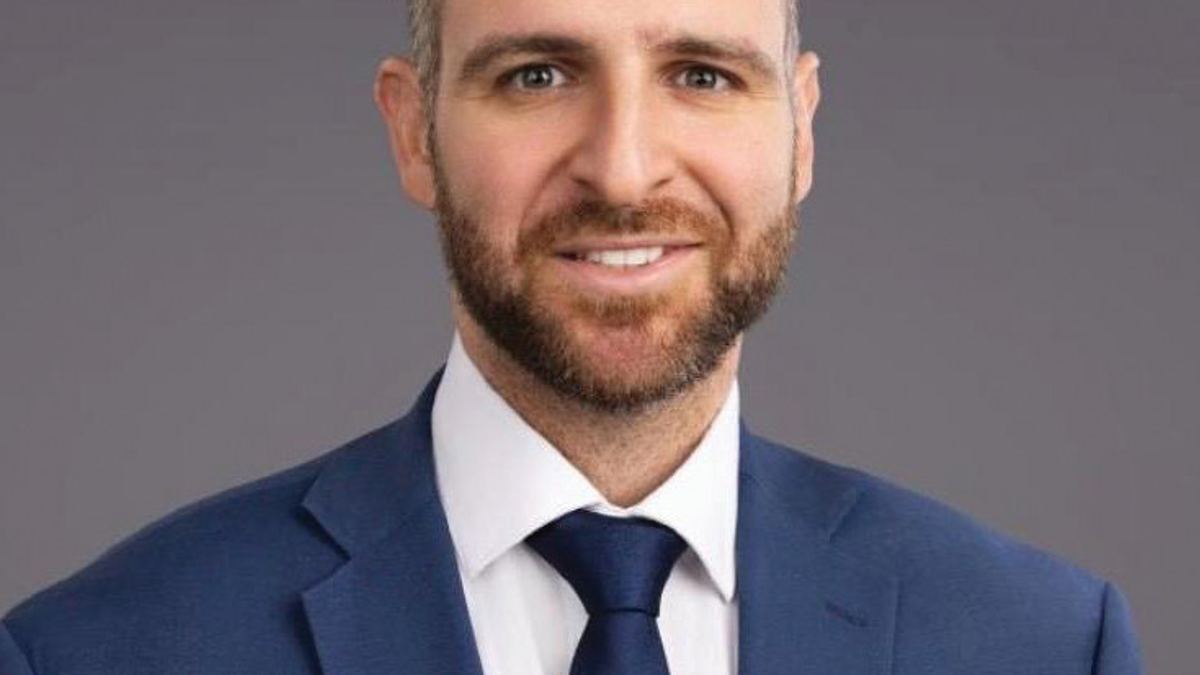
“War or not, JNF is focused on building [infrastructure] – on actual concrete, particularly in the North and South areas of Israel,” says Harrison Shames, director of JNF-USA in Orlando. “JNF’s vision is to attract 500,000 residents to Israel’s South and 300,000 to Israel’s North. Roughly 70 to 80 percent of Israel’s population lives on 15 to 20 percent of the land. We’re trying to encourage movement by advancing economic development – increasing the infrastructure, jobs, medical, and educational opportunities and improving the quality of life in those regions.”
Meeting Critical Needs
During wartime, needs obviously change.
“Our leadership phones up regional municipalities in Israel and asks, ‘What do you need?,’” says Harrison. “And JNF figures out how to provide whatever that is.”
Recently, JNF has been purchasing fire trucks and all-terrain vehicles, mostly for the border areas of Israel.
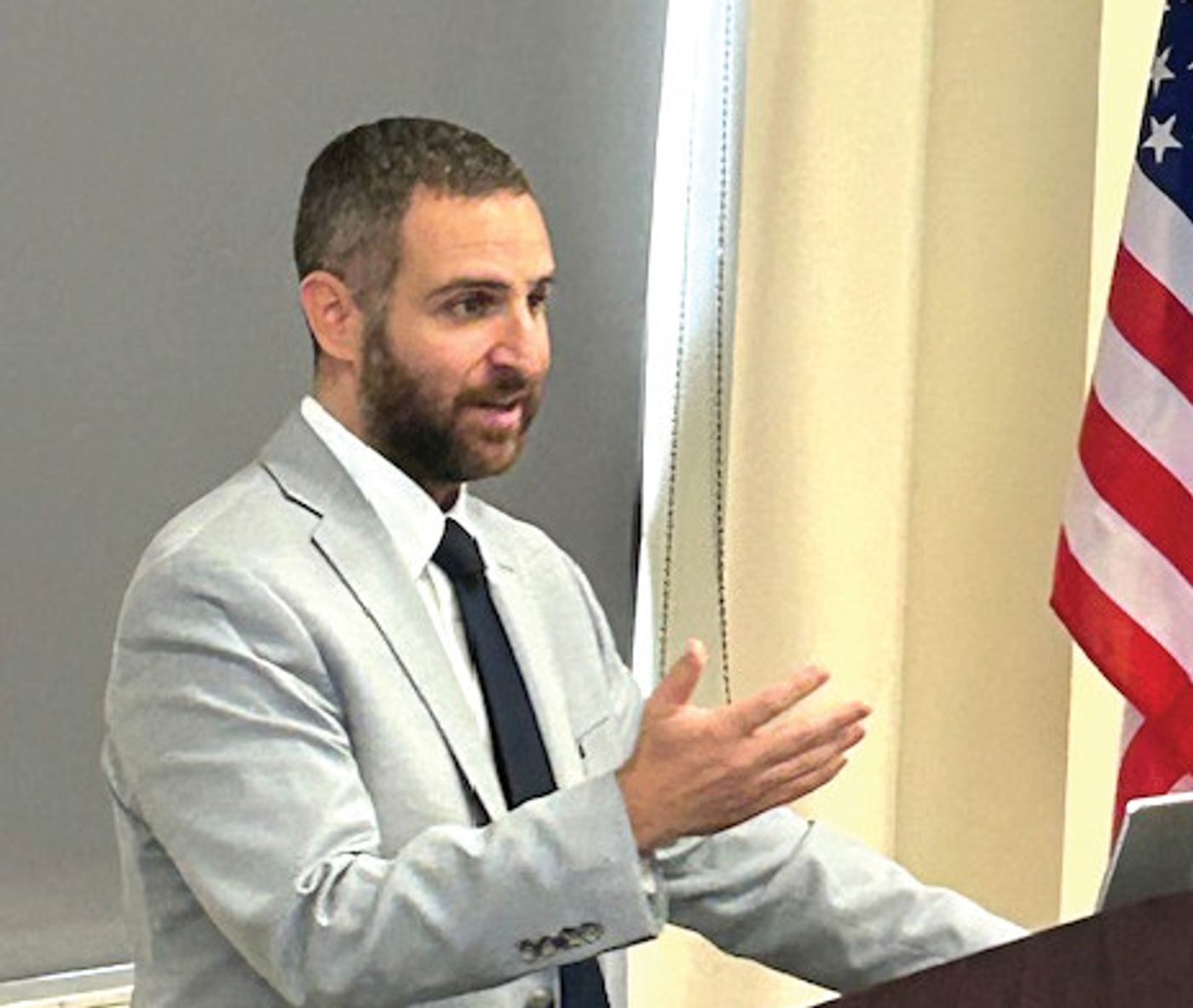
“If U.S. givers so choose, their donations can go directly toward very specific needs,” says Harrison. “The Fire and Rescue Authority in Israel, where JNF is currently buying many fire engines, is just one example. We want to allow people to give in the areas they feel most passionate about.”
Michael Beim, who has served as president of Orlando’s JNF board of directors since 2022, says local donations to JNF-USA have remained fairly steady.
“When the Israeli hostages came home [after two years of captivity by Hamas in Gaza], there was concern nationally that there would be a serious drop in the total amount of donations,” says Michael. “There was no big drop here in Orlando.”
Winning Hearts and Minds
That success is due in large part to adjustments made by regional JNF leaders. Whenever possible, donations are sought on a personal, one-on-one basis.
“Giving comes from individuals,” says Harrison. “If a new donor gives through the JNF website, I’ll get a report of that, and then I get in touch with that person as soon as I can. I want to say ‘Thank you,’ but I also want to ask, ‘What motivates you?’ I want to find out how they can be excited about giving to JNF in the future.”

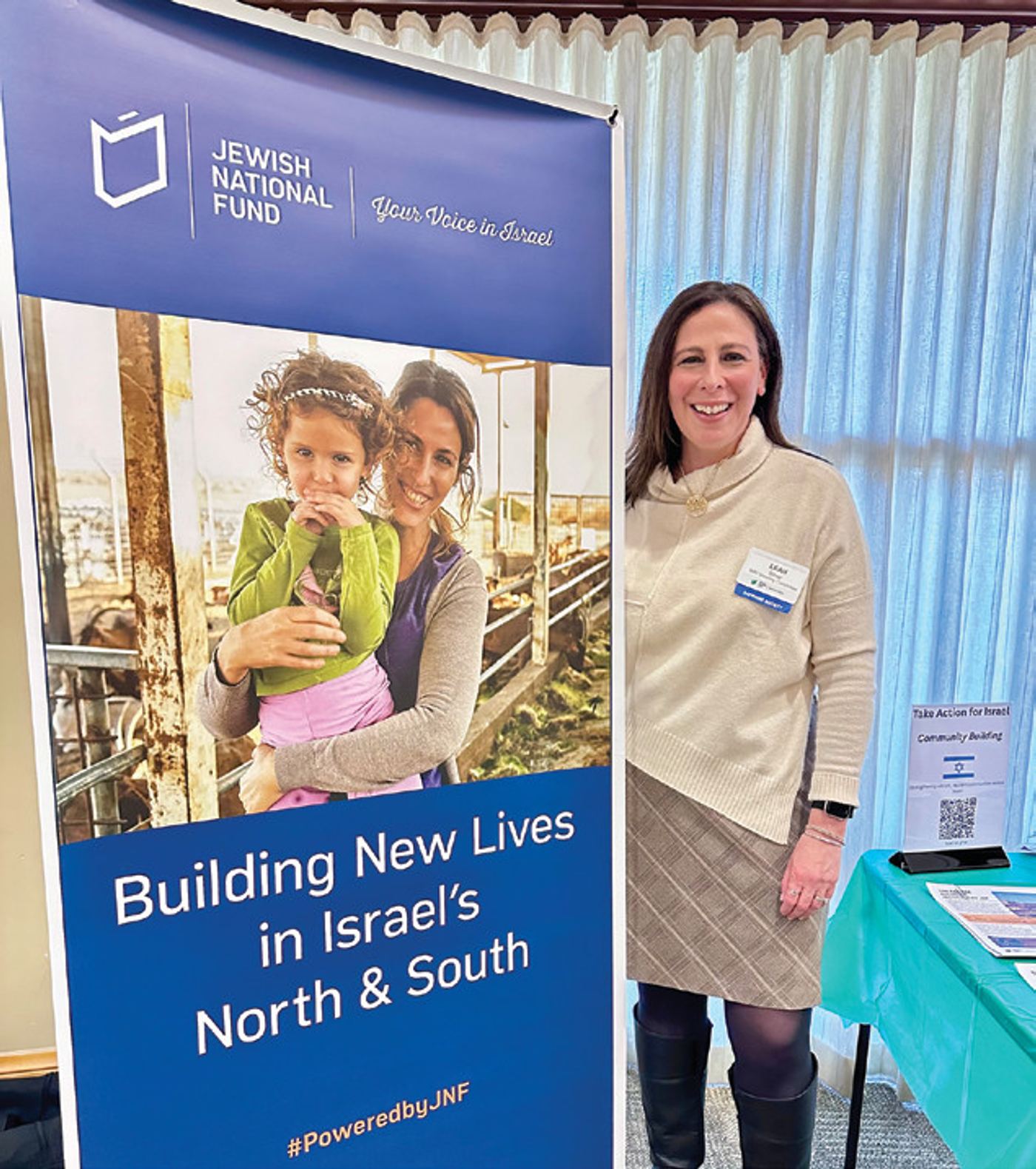
JNF’s future programs are also on the mind of Leah Silver, the incoming president of Orlando’s JNF board of directors.
“It’s not only about getting donations on a local level,” says Leah. “It’s about winning people’s hearts and minds. We know that more people would get involved if we could educate them more about the incredible work that JNF does on the ground in Israel.”
JNF’s local events are a vehicle for getting the word out, and lately those programs have been drawing bigger audiences.
“It’s not that we are doing more events,” says Harrison, “it’s that we are doing the right events. People want learning and timely education.”
For example, JNF-USA Orlando recently hosted a program featuring Adela Cojab, a lawyer, civil rights activist, and former Miss Israel USA. Adela, who uses her work to uplift and support Israel, spoke about reimagining and rebuilding communities in the North and South regions.
Looking to the Future
Harrison’s personal goals for JNF in Orlando include maintaining strong relationships with longtime, dedicated supporters and encouraging more participation among younger adults.
“First, I want to continue to engage current – and new – lifelong supporters. They are at the heart of much of what we do,” says Harrison. “Second, we need more strategies to engage young people [ages 22-40].”
Although the JNFuture community of philanthropists is geared toward this younger demographic, he says, the group needs more involvement and activities.
Harrison also remains a strong advocate for JNF’s fundamental vision of building more Israeli infrastructure, particularly in the North and South.
“My mission is the same as JNF’s mission: build, build, build,” he says. “It’s about realizing the vision of David Ben-Gurion [Israel’s first prime minister]: ‘Make the desert bloom.’”