Strengthening Our Seniors
JFS Orlando partners with the S’firot Foundation to better support Jewish older adults throughout Central Florida
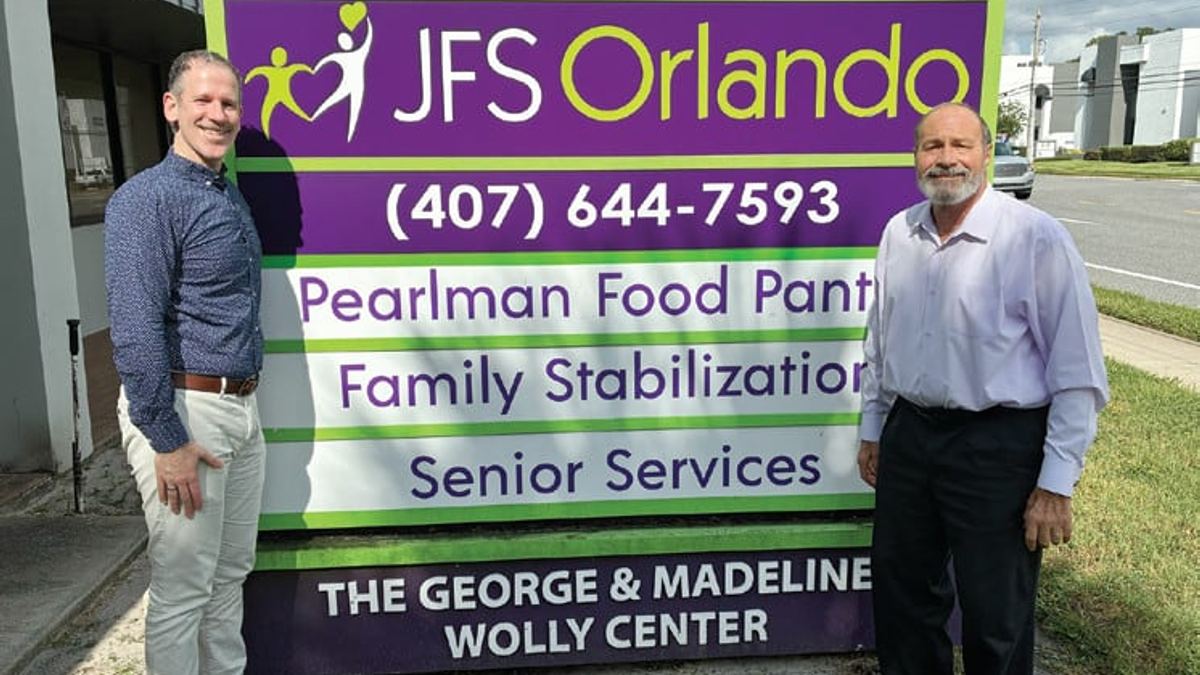
ewish Family Services of Greater Orlando (JFS Orlando) recently announced that it’s launching a new case management program to support Jewish seniors across Central Florida. Funding for the program comes from the S’firot Foundation, a philanthropic organization established in 2024.
The structured program will help seniors access critical services – coordinating care, benefits, transportation, health-related resources, and community-based support, while addressing the challenges that can lead to isolation and unmet needs.
“This investment strengthens seniors now and for the long term,” says Philip Flynn III, president of the nonprofit JFS Orlando. “We’re ready to get rolling. If a phone call from a senior comes in today, we’ll respond with our existing case manager. A much larger number of calls will require the hiring of another full-time case manager.”
Indeed, both JFS Orlando and the S’firot Foundation are anticipating rapid growth in requests from seniors as well as their family members.
“In addition to the operational funds, we provided emergency funds that could be used for specific seniors as needed,” says Wayne Green, executive director of the S’firot Foundation.
Key areas to be prioritized are:
- Care coordination and referrals to community and healthcare resources
- Guidance in navigating benefits and eligibility requirements
- Connections to transportation, housing assistance, and other essential resources
- Support for seniors and caregivers to reduce stress and prevent crisis
- Strategies to combat loneliness by increasing social connections and community engagement
- Access to timely emergency financial assistance to address urgent needs and help prevent further crisis
The S’firot Foundation’s grant is provided for a two-year period, giving JFS Orlando the necessary resources to ensure highly personalized assistance and continuity among providers.
“It will position us very strongly in the Jewish as well as secular communities,” says Philip.
That sentiment is seconded by Wayne.
“We see this program as a catalyst for cross-sector partnership,” says Wayne. “It creates an opportunity for organizations and service providers to work together, connect people to the right resources and build a stronger, more coordinated system of support across our community.”