Stories That Must Be Told
A special exhibit at the Holocaust Center in Maitland explores the role Bulgaria played in one of the most horrific events in the history of the world
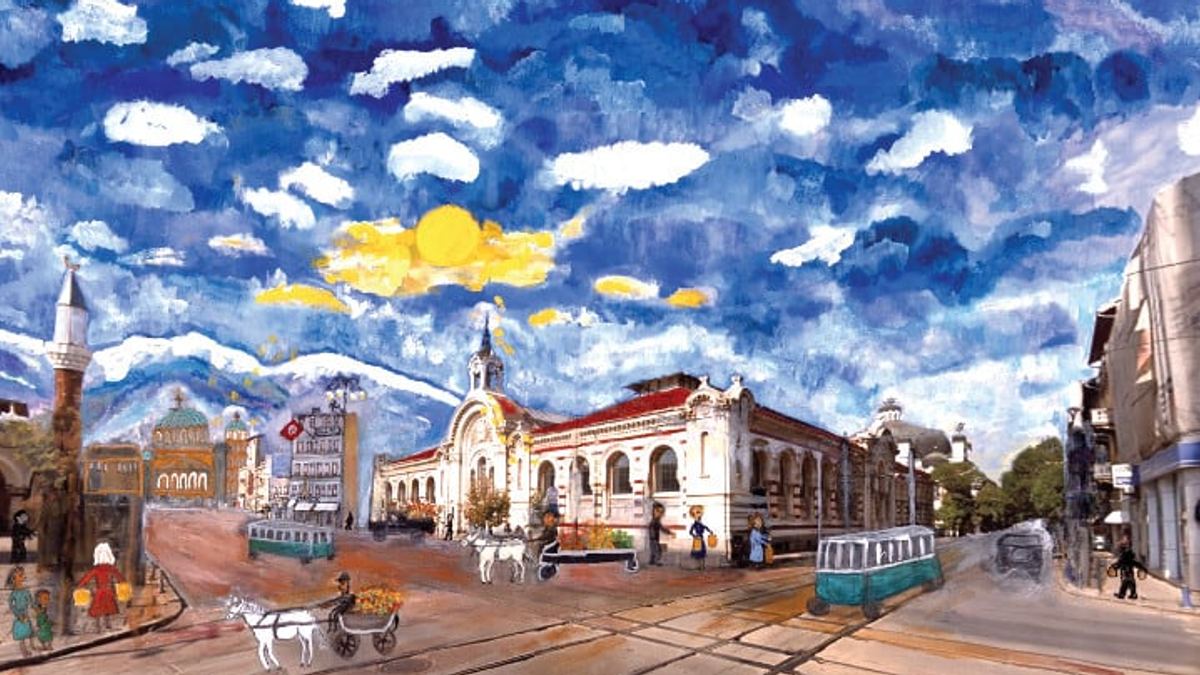
Now on display at the Holocaust Memorial Resource & Education Center of Florida is Stories We Were Never Told: Visualizing the Holocaust in Bulgaria and Beyond.
The special exhibit is an intriguing examination of what Bulgaria did – and didn’t do – during one of the darkest times in history, shedding light on an overlooked chapter of the Holocaust.
The exhibit of archival photographs, oral history, and original artwork is a collaboration between curator and researcher Jacky Comforty and artist Martha Aladjem Bloomfield. With Stories We Were Never Told, the pair powerfully documents voices in Bulgaria that were once silenced, denied, or forgotten.
Changing the Narrative
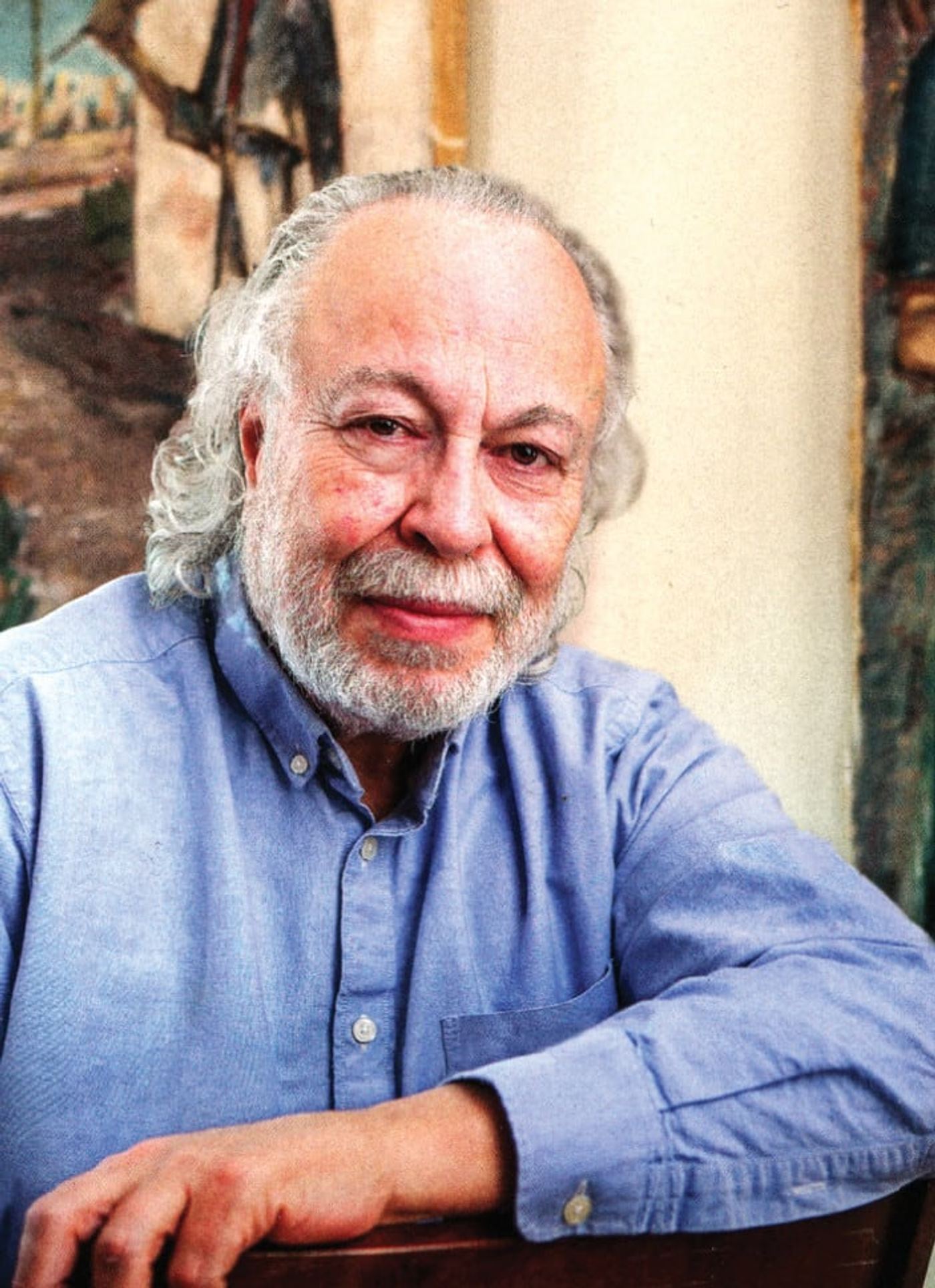
Jacky spent more than five years gathering the exhibit’s oral histories through interviews with Holocaust survivors, eyewitnesses, and relatives, working to unveil the truth about events that occurred in Bulgaria in the 1930s and ‘40s. For decades, many believed there was no Holocaust in Bulgaria, a Southern European country that is one of the oldest on the continent.
“The narrative that Jews did not die in Bulgaria is false,” says Jacky, who was born in Israel and lives in Bloomington, Indiana. “For 80 years, the story has been manipulated that not one Jewish person died on Bulgarian soil. That is wrong.”
In the exhibit, Jacky documents how that narrative came to be: many of the Jews in Bulgaria were sent elsewhere to die. In 1943, 12,000 Jews were deported from the country’s newly acquired territories to Treblinka in Poland, one of the deadliest Nazi extermination camps.
The oral histories and photographs he gathered, combined with 52 paintings created by Martha, depict a visual timeline of events that led Bulgaria into the Nazi world of ethnic cleansing.
A Passion Project
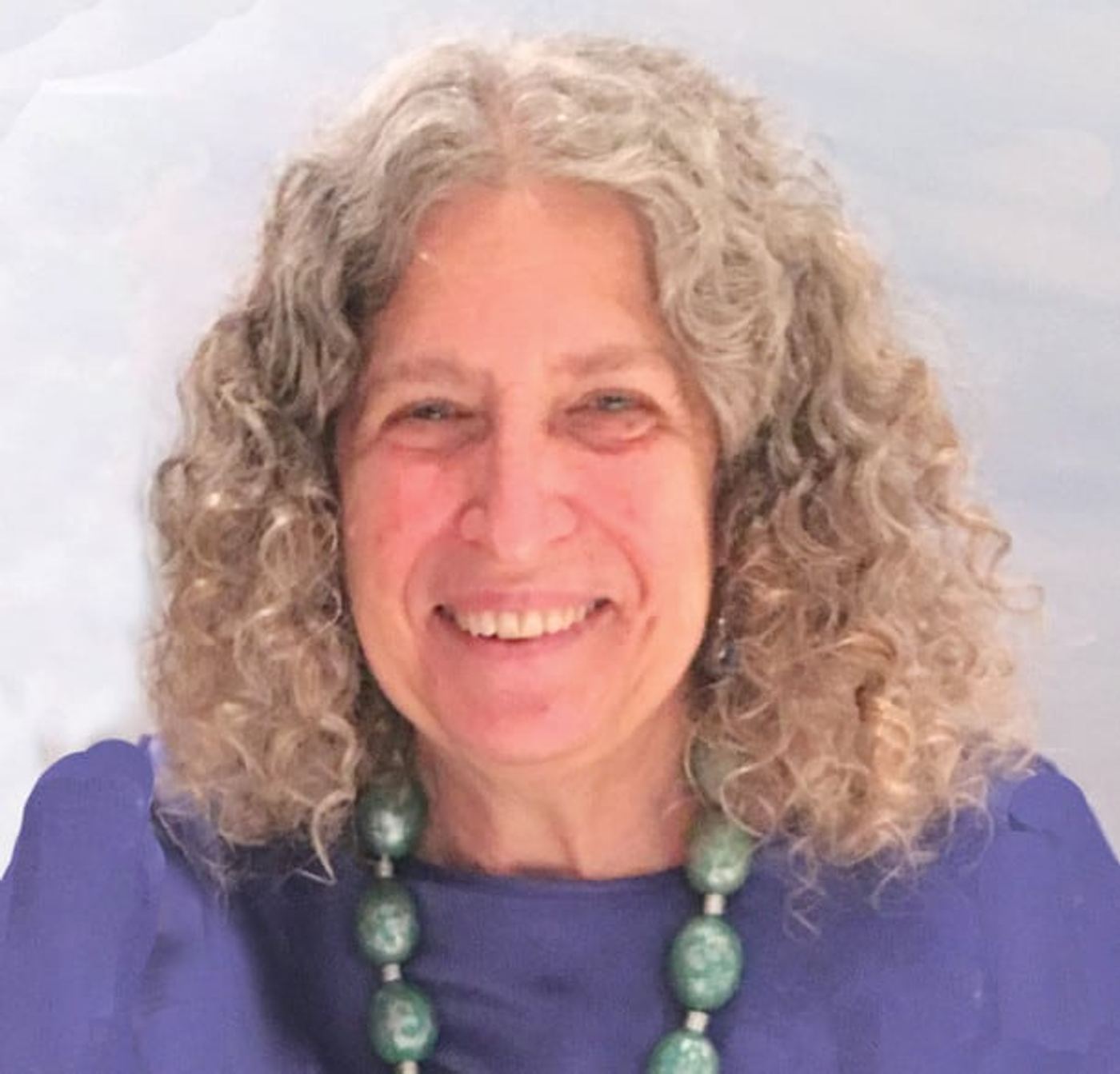
For Jacky and Martha, the exhibit is personal, with both having roots in Bulgaria. Jacky’s parents, grandparents, and great-grandparents lived in Bulgaria during the Holocaust era, and he still has a second cousin living there.
Martha, who resides in East Lansing, Michigan, was born to Bulgarian Jewish immigrants. Working on Stories We Were Never Told helped Martha realize what her ancestors endured.
As Jacky gathered documentation, he sent the information to Martha, detailing the mood, situation, and environment for each story. Martha, who is also an author, would then conduct her own additional research before sitting down at the easel.
“Some of the paintings I really liked doing; others were hard,” says Martha. “How can these horrible things happen in such a beautiful space? The overall experience, however, was very peaceful when painting. I think I was transferring my own trauma.”
The exhibit details the rise of antisemitism in Bulgaria as the country began collaborating with the Axis powers, battling the Allied powers. Bulgaria had lost significant territory after World War I with the signing of the Treaty of Neuilly-sur-Seine. The country’s King Boris and other powerful voices surmised that siding with Nazi Germany would help them get their land back.
More Than Meets the Eye
The paintings Martha created for the exhibit initially catch the eye because of their vibrant colors and childlike qualities. Upon closer examination, however, the Holocaust’s graphic subject matter becomes more apparent.
One painting appears to be a peaceful scene of buses driving by a town square. In reality, the buses contained Jews, and the vehicles’ exhaust had been turned inside for mass extermination, as Bulgarian police stood by – indirectly supporting the genocide.
The exhibit is not devoid of positive imagery, though. Jacky and Martha also depict the good that was present in Bulgaria at the time and the eventual changing of the guard that halted deportation of Jews there.
In fact, the exhibit’s first painting depicts the center of Sofia (the capital of Bulgaria), with a synagogue, a mosque, and a church located within a block of each other. The artwork symbolizes the tolerant mindset of the newly founded country, long before the Holocaust began.
“There were a lot of people looking the other way as Jews died and were deported,” says Jacky, who has traveled to Bulgaria more than a dozen times.
“But there were good people, too,” adds Jacky. “There were protectors and rescuers. There was an unspoken post-war trauma that symbolized hope and the good people who helped. Bulgarian Jews survived the Holocaust, but it was a very close call.”
Stories We Were Never Told: Visualizing the Holocaust in Bulgaria and Beyond will remain on exhibit at the Holocaust Center through July 10. To learn more, visit HMREC.org.